
Conditioned Air Without Tearing Into Walls
Mini Splits in Benton for additions, sunrooms, detached shops, and spaces without existing ductwork
Benton additions, sunrooms, and detached shops without existing ductwork create spaces that stay too hot in summer or too cold in winter because central HVAC can't reach them. Extending ductwork through finished walls costs more and causes more disruption than installing a ductless mini split system that delivers heating and cooling through a wall-mounted indoor unit connected to an outdoor compressor by a small refrigerant line. 501 Heating and Cooling installs and services ductless mini split systems for residential and light commercial spaces in Benton, Bauxite, and Hot Springs Village where running ductwork isn't practical or cost-effective.
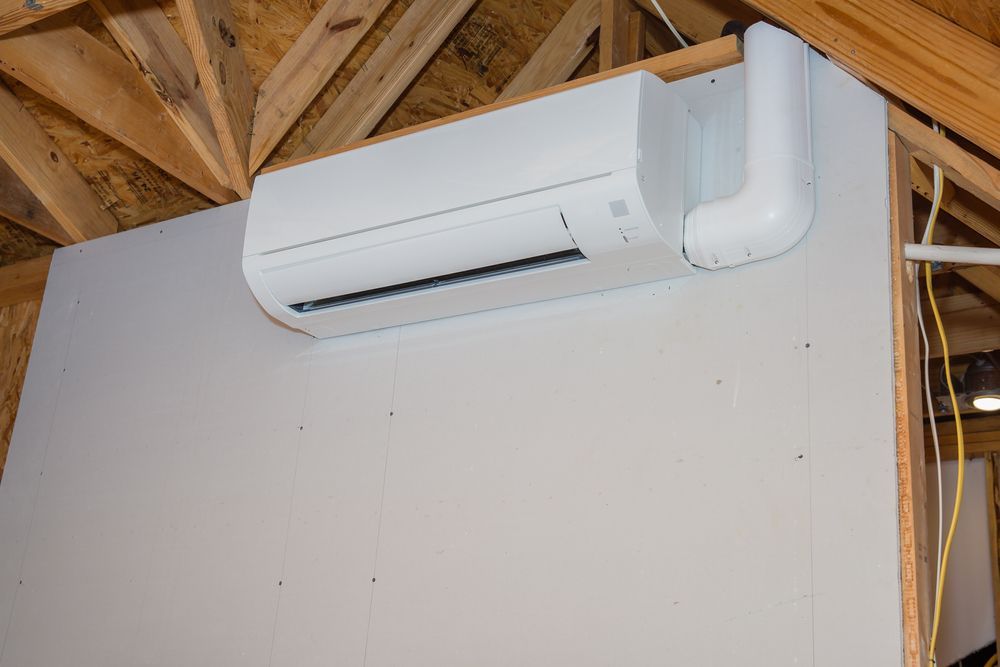
Installation involves mounting the outdoor unit on a concrete pad or wall bracket, running refrigerant lines and electrical connections through a small penetration in the exterior wall, and mounting the indoor unit in the conditioned space. Proper refrigerant line sizing and outdoor unit placement prevent the efficiency losses that rushed installations leave behind—undersized lines or excessive line length force the compressor to work harder, and outdoor units placed in direct sun or without clearance for airflow overheat and cycle off prematurely.
Arrange an on-site evaluation to determine refrigerant line routing and indoor unit placement for your specific space.
How Line Sizing and Placement Affect Performance
Refrigerant line sizing determines how efficiently refrigerant moves between the outdoor compressor and indoor evaporator—undersized lines create pressure drop that reduces capacity and forces the compressor to run longer cycles to maintain temperature. Outdoor unit placement affects airflow and heat rejection—units installed in direct sun or too close to walls overheat and throttle back output, while units placed on unstable surfaces vibrate and develop refrigerant leaks at connection points over time.
Once the system is installed and commissioned, you notice the space reaches your set temperature quickly and maintains it without constant cycling, the indoor unit operates quietly because airflow is balanced and refrigerant charge is correct, and energy costs stay predictable because the system runs at rated efficiency instead of compensating for installation shortcuts. Single-zone systems condition one space, while multi-zone systems connect multiple indoor units to one outdoor compressor for additions with several rooms or detached shops with office and workspace areas.
The installation includes vacuum testing the refrigerant lines to confirm they're leak-free before charging the system, mounting the indoor unit level to prevent condensate drainage issues, and verifying the system operates at manufacturer specifications. In multi-zone installations, refrigerant line lengths must be balanced across zones to prevent uneven cooling or heating between spaces.
Common Questions About This Service
Homeowners and business owners across central Arkansas ask about mini split capabilities, installation requirements, and how these systems compare to extending existing ductwork.
What spaces work best for mini split systems?
Mini splits work best for additions, sunrooms, converted garages, detached workshops, and any finished space without existing ductwork where running ducts through walls or ceilings isn't practical. They also work well for spaces with high heat gain like west-facing sunrooms or shops with metal roofs where central HVAC struggles to maintain comfort.
How does a single-zone system differ from a multi-zone system?
A single-zone system connects one indoor unit to one outdoor compressor and conditions one space, while a multi-zone system connects multiple indoor units to a single outdoor compressor to condition several rooms or areas. Multi-zone systems cost less than installing multiple single-zone units because you only need one outdoor compressor, but refrigerant line lengths and balancing become more critical to maintain even performance across all zones.
What installation factors affect long-term efficiency?
Refrigerant line sizing, outdoor unit placement, and proper refrigerant charge affect long-term efficiency most directly. Undersized lines or excessive run length reduce capacity, outdoor units in direct sun or without clearance overheat and throttle output, and incorrect refrigerant charge forces the compressor to overwork and shortens equipment lifespan.
How long does mini split installation take for a typical application?
Single-zone installations typically complete in one day including mounting the outdoor unit, running refrigerant lines, mounting and connecting the indoor unit, vacuum testing, charging the system, and commissioning. Multi-zone installations take longer depending on the number of indoor units and the complexity of refrigerant line routing through walls or attics.
Can mini splits handle heating during Benton winters?
Modern mini split systems include heat pump operation that moves heat from outdoor air into your space, and most models operate efficiently down to temperatures well below freezing. They handle typical Benton winter conditions without issue, though extreme cold snaps may require supplemental heat if the space lacks insulation or has significant air leakage.
501 Heating and Cooling installs mini split systems with properly sized refrigerant lines and carefully placed outdoor units so your system performs at rated efficiency from day one. Request a site evaluation to review placement options and system sizing for your space.