
Cleaning That Restores System Airflow
AC Cleaning in Benton for systems with reduced airflow and drain line backups
Central Arkansas humidity causes rapid coil fouling and drain line algae growth between tune-up cycles, accelerating system degradation in homes along the Congo Road corridor and Alexander where moisture levels stay high from April through October. AC cleaning involves evaporator coil cleaning, drain line flush, and pan treatment to restore system efficiency rather than just rinsing the outdoor coil and calling it done. 501 Heating and Cooling addresses the full moisture chain so airflow returns to design levels and condensate drains freely instead of backing up into the pan and overflowing.
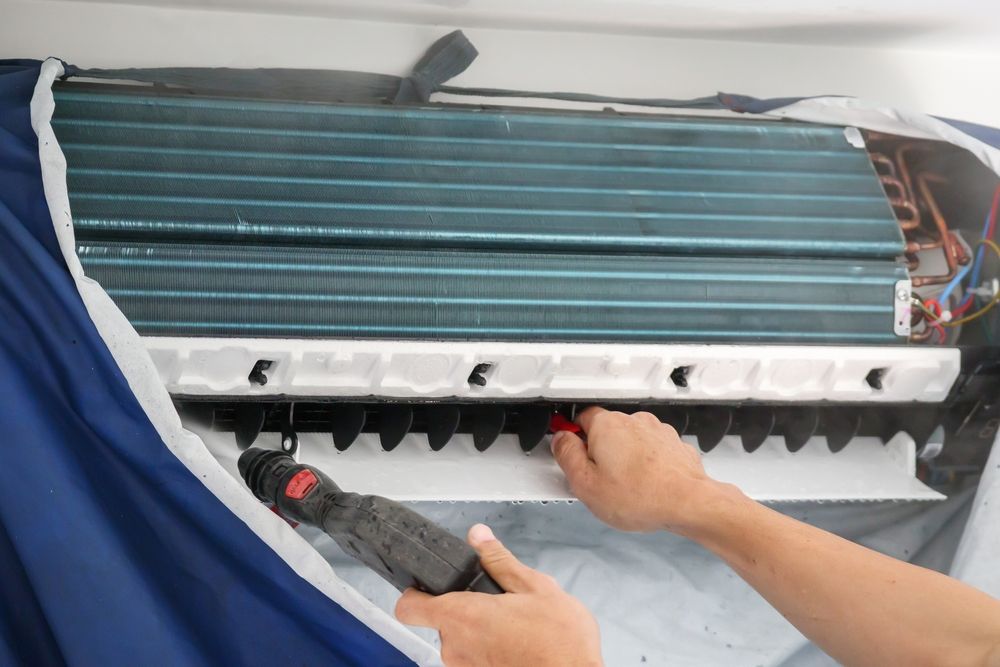
The cleaning process begins with accessing the evaporator coil inside the air handler, applying coil cleaner that dissolves the biofilm and dust buildup restricting airflow, and flushing the coil with water until it drains clear. The drain line is then flushed from the air handler to the exterior termination point using a wet vacuum or pressurized flush to remove algae and sludge, and the drain pan is treated with tablets that inhibit future algae growth.
Request a coil and drain line cleaning to address airflow loss and drainage problems before they damage system components.
Why Coil Fouling Happens and How to Stop It
Evaporator coils collect moisture as refrigerant cools the air passing through, and that moisture combines with dust and pollen to form a sticky biofilm that blocks airflow and reduces heat transfer. In Saline County, high humidity during the cooling season means coils stay wet longer and biofilm develops faster than in dry climates. Drain lines clog for the same reason: algae grows in the standing water inside the drain pan and line, eventually forming a blockage that causes water to back up and overflow into the air handler or ceiling below.
Once cleaning is completed, you notice airflow from the supply registers returns to full volume, the system cools the home faster because the coil is transferring heat efficiently again, and the drain line flows freely without the gurgling or backing up that indicated a clog. Indoor humidity levels drop because the coil has enough airflow to condense moisture effectively rather than just blowing wet air through a restricted coil.
Comprehensive cleaning addresses the coil, drain line, and pan rather than stopping at the outdoor condenser coil that most basic tune-ups focus on. The outdoor coil handles heat rejection and gets dirty from cottonwood and pollen, but the indoor evaporator coil directly affects airflow and cooling capacity, and neglecting it causes the frozen coil failures and water damage that result from restricted airflow and clogged drains.
Common Questions About This Service
Homeowners calling for AC cleaning usually ask how often coils need cleaning and whether this service is included in a standard tune-up or billed separately.
What causes AC coils to get dirty in the first place?
Evaporator coils collect dust, pollen, and pet dander from the air passing through them, and the moisture condensing on the coil during cooling turns that debris into a sticky biofilm that blocks airflow and reduces heat transfer efficiency.
How often should I have my AC coils cleaned?
Coils should be inspected during seasonal tune-ups and cleaned whenever airflow is visibly restricted or system performance drops, which in central Arkansas typically means every one to two years depending on filter quality and home dust levels.
Is coil cleaning included in a standard maintenance visit?
Basic tune-ups include inspecting the coils and rinsing the outdoor condenser coil, but comprehensive evaporator coil cleaning with chemical treatment and drain line flush is typically a separate service because it requires accessing the air handler and more time than a routine inspection.
What happens if I ignore a clogged drain line?
A clogged drain line causes condensate to back up into the drain pan, and when the pan overflows water damages ceilings, walls, and flooring below the air handler, and some systems include a float switch that shuts the system down to prevent overflow damage.
Can I clean the coils myself or do I need a professional?
Accessing the evaporator coil requires removing air handler panels and working around live electrical components and refrigerant lines, and using the wrong chemicals or applying too much pressure damages the coil fins, so professional cleaning reduces the risk of accidental damage.
501 Heating and Cooling provides AC cleaning services that address evaporator coils, drain lines, and pans to restore system efficiency across Benton and Saline County. Schedule a cleaning evaluation when airflow drops or drain line backups occur.